Kacey Corwin Avatar
Verified Author

Kacey Corwin

Artisan craft specialist, master maker, and workshop educator at CraftWorkshop.xyz. Dedicated to traditional craftsmanship, ceramic science, woodworking, and sustainable studio arts.

Kiln Firing Dynamics: Bisque Pyrometric Cones, Oxidation vs Reduction, and Thermal Shock Prevention

Introduction: The Volcanic Crucible of the Ceramic Arts No matter how exquisitely a clay vessel is thrown on the wheel, sculpted by hand, or decorated with formulated glazes, its ultimate transformation into permanent stone occurs inside the incandescent, volcanic heart of the ceramic kiln. The kiln is not an ordinary oven—it is a thermal reactor … Read more

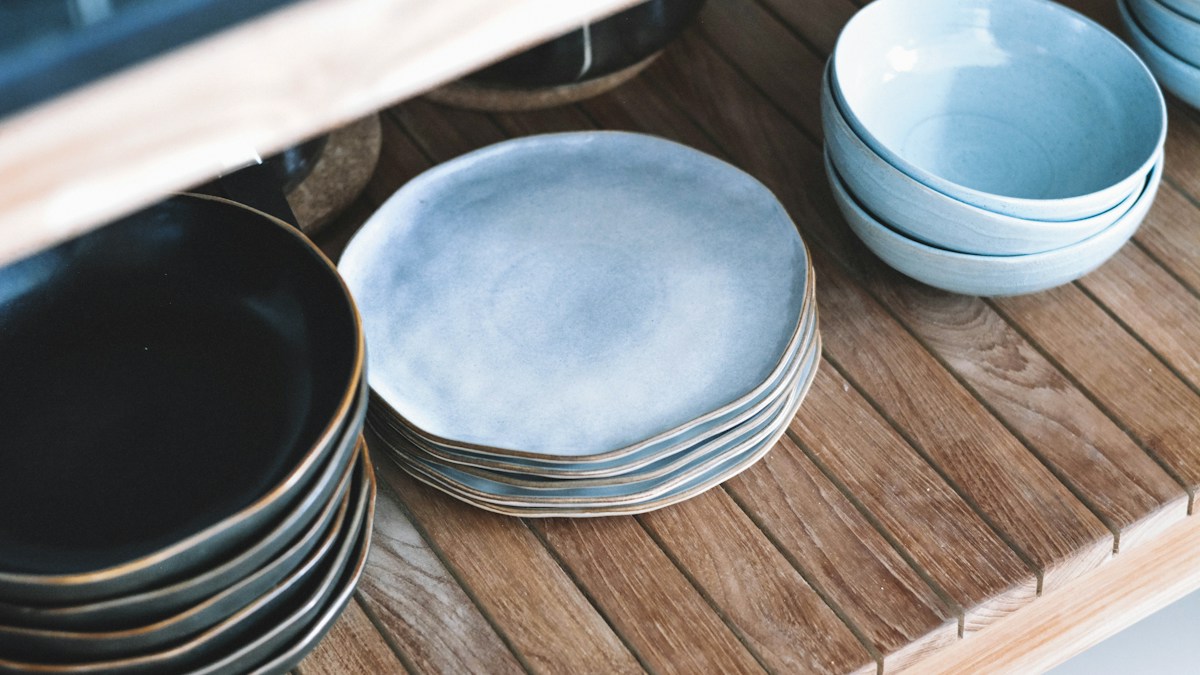
The Chemical Engineering of Ceramic Glazes: Silica Ratios, Flux Melting Points, and Oxide Colorants

Introduction: The High-Temperature Chemistry of Ceramic Vitrification To the casual viewer, a ceramic glaze is decorative paint brushed onto pottery and baked hard. To the ceramic scientist and master potter, a glaze is an amorphous, non-crystalline super-cooled liquid—an engineered glass formulation that melts, flows, fuses, and solidifies over a clay substrate at temperatures exceeding 2,200°F … Read more

Pottery Wheel Throwing Mechanics: Centering Centrifugal Forces, Wall Thickness, and Trimming Physics

Introduction: The Dynamic Kinematics of the Potter’s Wheel The potter’s wheel represents one of humanity’s earliest rotational machines, invented over five thousand years ago in Mesopotamia. To the casual onlooker, wheel throwing appears effortless—a mesmerizing, fluid dance where a lump of spinning clay blooms organically into a symmetrical vase under the potter’s fingers. In physical … Read more

The Mineralogy and Plasticity of Ceramic Clays: Earthenware, Stoneware, and Porcelain Formulations

Introduction: The Geological Foundations of Ceramic Clay Bodies To the casual observer, clay is simply malleable mud scooped from the earth. To the ceramic engineer and studio potter, clay is a complex crystalline mineral product born of millions of years of geological weathering. Formed primarily by the hydrothermal decomposition of granitic feldspar rocks, raw clay … Read more

Fine Wood Finishing and Patinas: Danish Oils, Shellac French Polishing, and Hand-Rubbed Wax Buffing

Introduction: The Final Soul of the Woodcraft A masterfully designed and flawlessly joined piece of woodwork remains incomplete until its surface meets the finishing regime. The finish is not merely a cosmetic cosmetic skin; it is the ultimate tactile and optical bridge between maker and viewer. A thick, muddy, high-gloss plastic film applied over fine … Read more

Artisan Wood Turning on the Lathe: Rotational Dynamics, Gouge Angles, and Green Wood Drying

Introduction: The Dynamic Art of the Wood Lathe Wood turning occupies a unique, thrilling realm within the woodworking arts. In flat-surface cabinetmaking, the wood remains stationary while hand planes, saws, and chisels move linearly across it. On the wood lathe, this kinetic dynamic is inverted: the wood spins rapidly on an axis of rotation at … Read more

Hand Tools vs Power Tools in Fine Woodcraft: Japanese Pull Saws, Hand Planes, and Chisel Geometry

Introduction: The Symbiosis of Hand and Machine in Modern Artisan Woodcraft In modern woodworking culture, an artificial dichotomy is frequently presented: the romantic purist working solely with hand tools in candlelight versus the mechanized operator relying entirely on roaring stationary power tools and digital CNC routers. In truth, world-class artisan woodworking has always been a … Read more

The Mechanical Anatomy of Wood Joinery: Mortise, Tenon, Dovetails, and Grain Expansion Engineering

Introduction: The Mechanical Engineering of Timber Joinery Wood is not an inert, isotropic engineering material like steel, aluminum, or injection-molded plastic. Wood is a living, breathing, anisotropic bundle of cellulose micro-tubes that expands, contracts, bows, and twists in perpetual response to atmospheric humidity. Across the history of fine American and European furniture making, master cabinetmakers … Read more

Artisan Embroidery and Needlework: Surface Tension, Thread Counts, Stitch Anatomy, and Textile Geometry

Introduction: The Micro-Architecture of Needle and Thread Embroidery is often celebrated as the painting of textiles with thread. Yet while a painter applies pigment onto a static, passive canvas, an embroiderer engages in active micro-structural engineering. Every stitch plunged through a ground fabric exerts mechanical tension that pulls, distorts, and realigns the interwoven warp and … Read more

The Botanical Chemistry of Natural Dyeing: Mordants, Tannin Pre-Treatments, and Lightfast Pigmentation

Introduction: The Alchemy and Science of Plant Pigments For millennia before the mid-19th century discovery of synthetic coal-tar aniline dyes, all textile color in the human world was harvested directly from living nature: roots dug from forest floors, leaves crushed in clay vats, insect secretions gathered from desert cacti, and tree barks harvested in mountain … Read more